


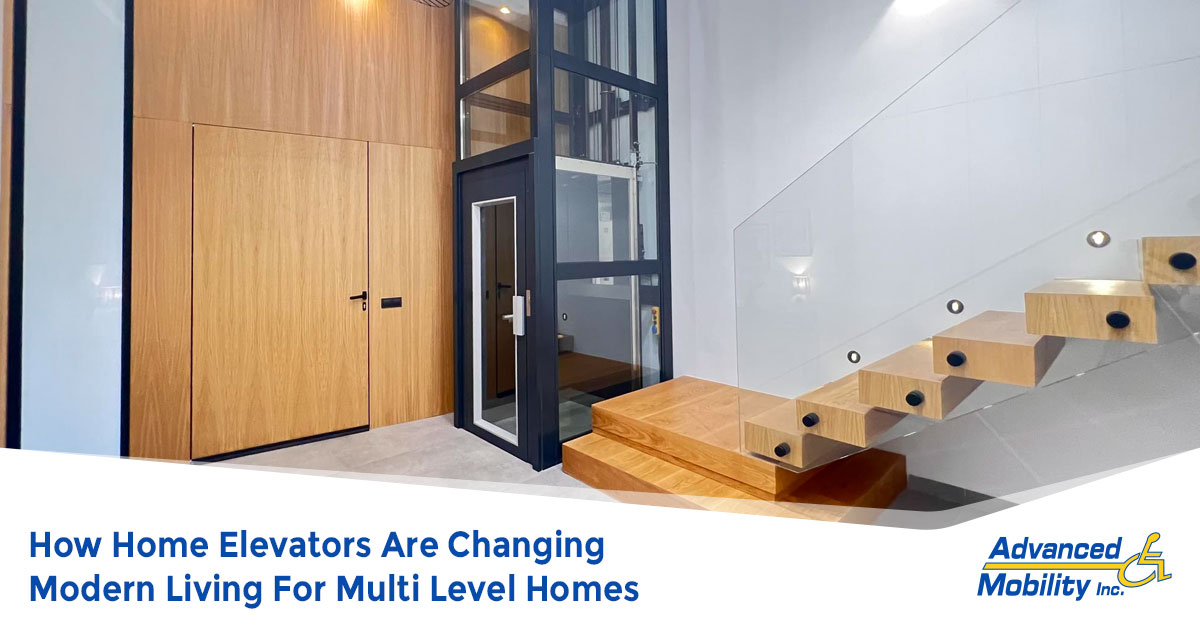
Traditionally viewed only as a luxury item for a sprawling mansion, residential elevators are fast becoming a practical and increasingly common feature in many modern homes. Design and affordability have allowed today’s homeowners access to home elevators, changing the way families approach comfort, accessibility, and long-term living in their homes.
Whether you are an older adult choosing to age in place or a busy family hoping to simplify your daily routine, a home elevator is no longer a dream, but a practical and affordable upgrade.
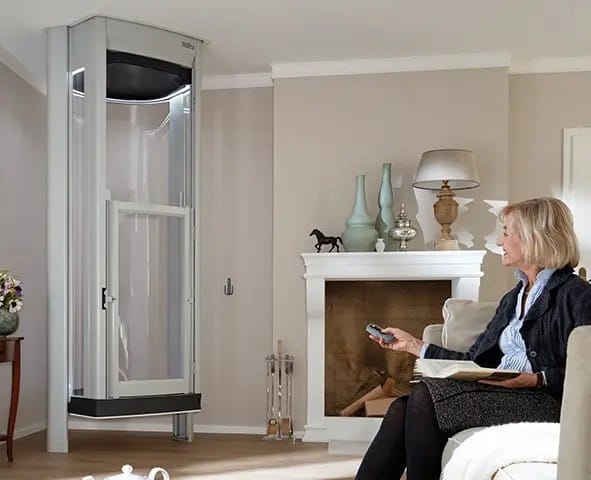
Why Home Elevators Are Becoming A Standard Feature In New Multi-Level Home Builds
Home elevators are no longer being considered a luxury item. Modern, multi-level family homes are designed for long-term living, and builders and homeowners are recognizing that installing home elevators at the initial building stage will:
- Improve accessibility from the onset and into the future
- Add long-term value to the home
- Support and assist adults wanting to age in place
- Prevent expensive renovations or being forced to move later in life
Modern home elevators now have many more features than the older models.
Modern systems:
- Are energy efficient and use less electricity
- Operate quietly
- Are easier to install and maintain
- Are more compact and affordable
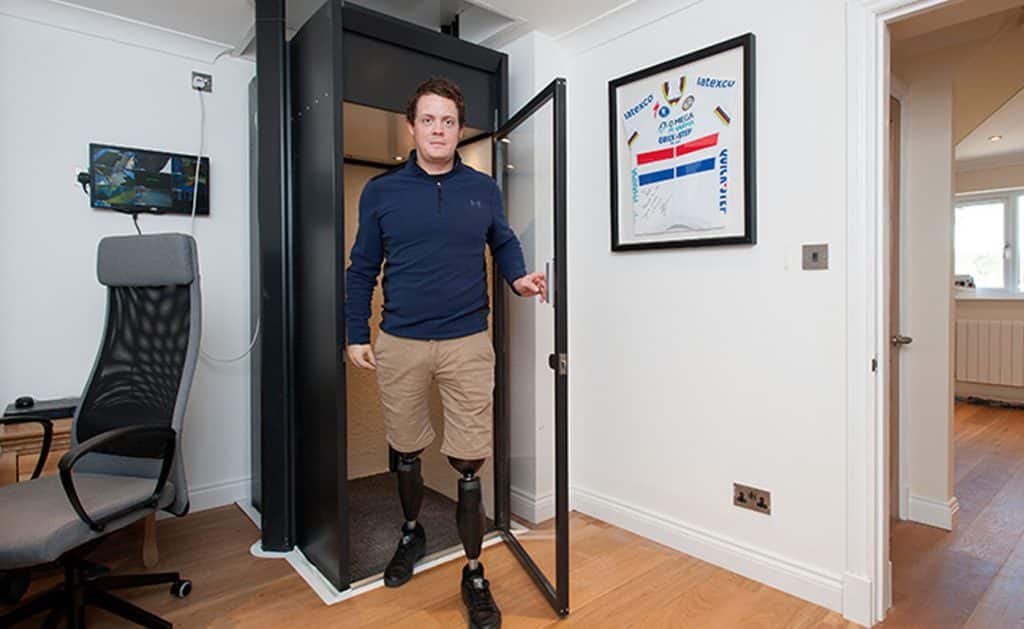
Who Would Benefit From A Home Elevator?
Multilevel homes are often difficult to access, especially for people who have mobility limitations. Installing a home elevator not only benefits seniors or people with disabilities, but also often benefits the entire family.
Home elevators improve multi-level home accessibility for:
- Children. especially young children who are unable to navigate stairs, or toddlers who may fall and injure themselves while navigating stairs
- Pregnant women, especially in the later trimester, often tire easily. A home elevator allows a pregnant woman to easily access all the areas in her multi-level home.
- Adults or children with temporary injuries. Injuries need rest and recovery, and navigating stairs puts excess stress or strain on injured joints or muscles. A home elevator will allow individuals with an injury to safely access the multi-level home.
- Individuals who use mobility aids like wheelchairs, walkers, or canes. People using mobility devices often cannot navigate stairs, and home elevators allow them the freedom to access the whole home.
- Caregivers assisting loved ones, especially those with mobility limitations, benefit from elevators. A home elevator is a safe way of navigating stairs and drastically decreases the chance of caregiver strain or injury.
Are Home Elevators Safe?
The American Society of Mechanical Engineers (ASME) provides the standard that applies to elevators, and specifically, a national safety code for private residential elevators.
Modern residential elevators need to adhere to safety standards.
Built-in safety features now included in the newer home elevator models are:
- Electrical door locking systems that ensure the elevator cannot move unless the landing doors are completely closed and locked.
- Safety sensors that scan the path of the elevator and doors, and immediately stop the lift if there is any obstruction.
- Battery backup and auto-lowering, allowing the elevator to safely descend to the nearest floor in the event of a power outage.
- An emergency brake that automatically prevents uncontrolled free falls.
- Some units come equipped with integrated intercom systems or built-in telephones that allow for emergency communication even during a power outage.
- Overload protection weight sensors that prevent the elevator from operating if the maximum load capacity has been exceeded.
- Child safety locks that prevent unsupervised operation.
- Smooth start and stop technology that prevents sudden jerks and jolts.
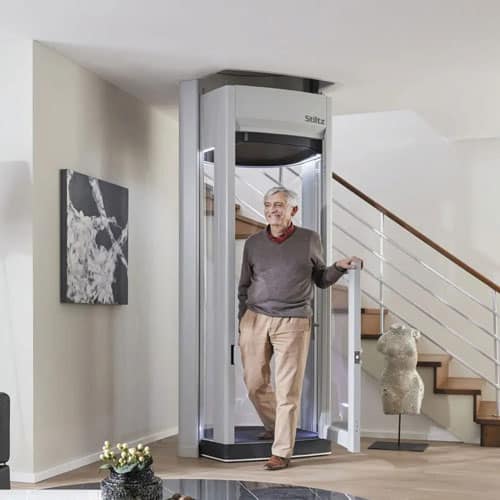
How Much Space Do Home Elevators Require?
Home elevators come in various sizes. Apart from the physical limitations present in your home, the size will also be dependent on personal considerations. Some considerations to bear in mind when choosing a home elevator may include:
- The elevator capacity – how many people it will be transporting at a time will determine the size and weight capacity.
- Mobility or medical equipment transportation- a bigger elevator may be needed if medical equipment, such as wheelchairs or oxygen tanks, needs to be transported between home levels.
- The number of floors- most residential elevators are designed to move between two or three floors. if you’re home includes more than two levels, you may need a bigger elevator.
To assist whether a home elevator will be able to be installed in your home, you need a professional opinion. Most modern residential elevators are designed with compact living in mind and can often fit into:
- Closets
- Existing unused spaces
- Existing stairwell voids
- Hallways
- Unoccupied corners
How Do Home Elevators Enhance Aging In Place?
Aging in place safely and comfortably is one of the most important reasons that homeowners invest in elevators. For many people, remaining in their own home represents Independence, familiarity, and emotional comfort. Stairs, however, become one of the first major obstacles that older people need to overcome.
For seniors and individuals with mobility limitations, falling on stairs is a major concern. Many people avoid certain parts of the home because they feel unsafe navigating stairs.
Common age-related mobility limitations are due to:
- Arthritis pain
- Balance issues
- Reduced strength
- Joint and/or muscle pain
Home elevators offer a safer option than stairs and assist individuals who want to age in place by:
- Reducing anxiety and restoring confidence, allowing them to access every level of their multi-level home safely.
- Preserving their dignity and maintaining their independence by not needing to rely on caregivers to help them up stairs.
- Avoiding isolation and enabling them to stay connected with the family in all the Living Spaces.
Advanced Mobility: Changing Modern Living In Multi-Level Homes
In today’s lifestyle, home elevators are no longer considered a luxury item but an essential feature in multi-level homes that promote convenience and safety, and improve overall quality of life.
At Advanced Mobility, we understand that the idea of moving effortlessly between floors, regardless of your age or stage in life, is essential. That is why our passionate team has made it our goal to help homeowners discover how residential elevators make homes safer and more accessible for all.
For more information about how a home elevator can be the right fit for your home and lifestyle, contact us at 954-88-9292 today.