


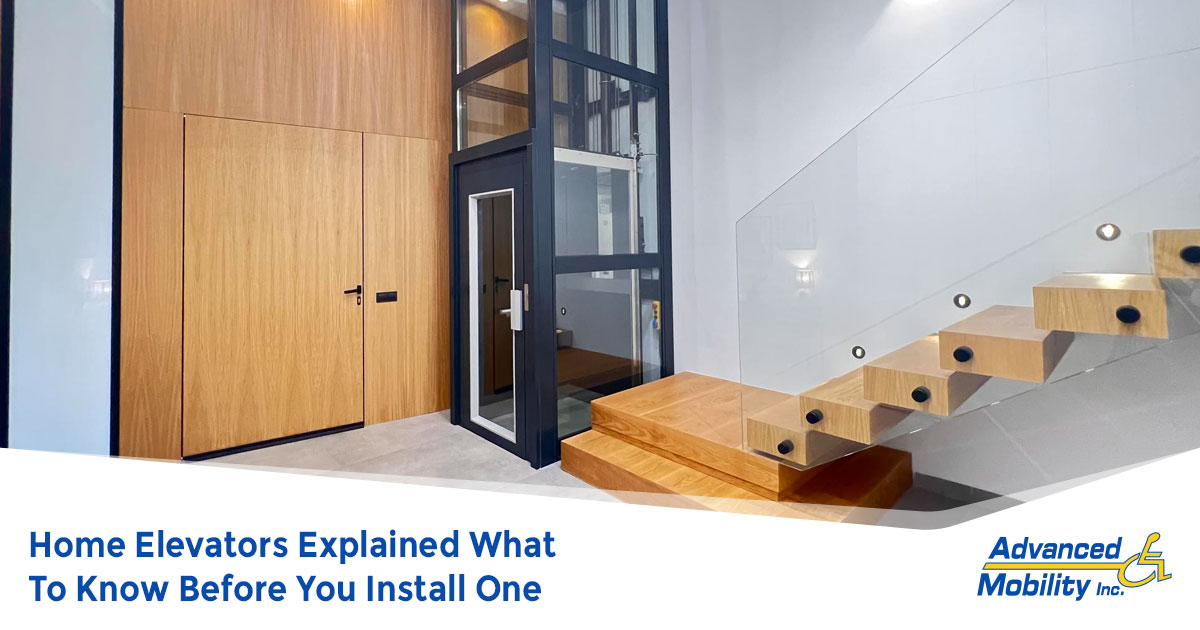
South Florida homes are incorporating home elevators to improve accessibility, enhance convenience, and add a touch of luxury. These systems allow you to move seamlessly between floors, making multi-level living easier and safer for everyone in the household. Whether you’re planning for aging in place, reducing mobility challenges, or simply elevating your home’s design, understanding home elevators before installation is essential.

Why Home Elevators Are Becoming A Must-Have In Modern Homes
Home elevators are no longer seen as optional luxury items, instead they have become essential features in modern residences. Aging populations are a major factor, as homeowners plan ahead to maintain mobility and independence throughout their lives. Installing an elevator ensures that all areas of a home remain accessible, reducing reliance on stairs and preventing mobility-related accidents.
Additionally, installing a home elevator add convenience to your daily living. Carrying groceries, laundry, or furniture between floors becomes effortless, and multi-story homes become far easier to navigate for children, adults, and elderly family members. The presence of a home elevator also enhances property value, making homes more attractive to potential buyers.
Types Of Home Elevators And How They Work
Understanding the different types of home elevators helps you choose the one that best fits your space and lifestyle. Each model has unique features, installation requirements, and advantages.
Hydraulic Elevators
Hydraulic elevators operate using a piston that moves the platform up and down. Hydraulic fluid pumped into a cylinder ensures smooth and quiet motion between floors. This system is ideal for homes requiring a stable and heavy-duty lift.
One feature homeowners appreciate is the ability to handle heavier loads than most residential options. A potential limitation is the need for a pit beneath the elevator and a separate machine room, which can increase installation complexity and cost.
Traction Elevators
Traction elevators move using cables and counterweights that pull the cabin between floors. This system offers precise speed control and energy-efficient operation. Traction elevators work well in homes with sufficient vertical space and overhead clearance.
You benefit from faster travel speeds and energy efficiency compared to hydraulic elevators. One consideration is that retrofitting a traction elevator into an existing home may require more structural modifications, and installation costs can be higher due to shaft and overhead requirements.
Pneumatic or Vacuum Elevators
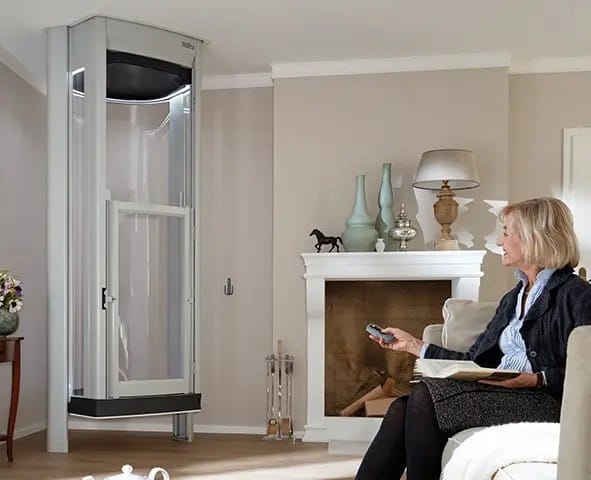
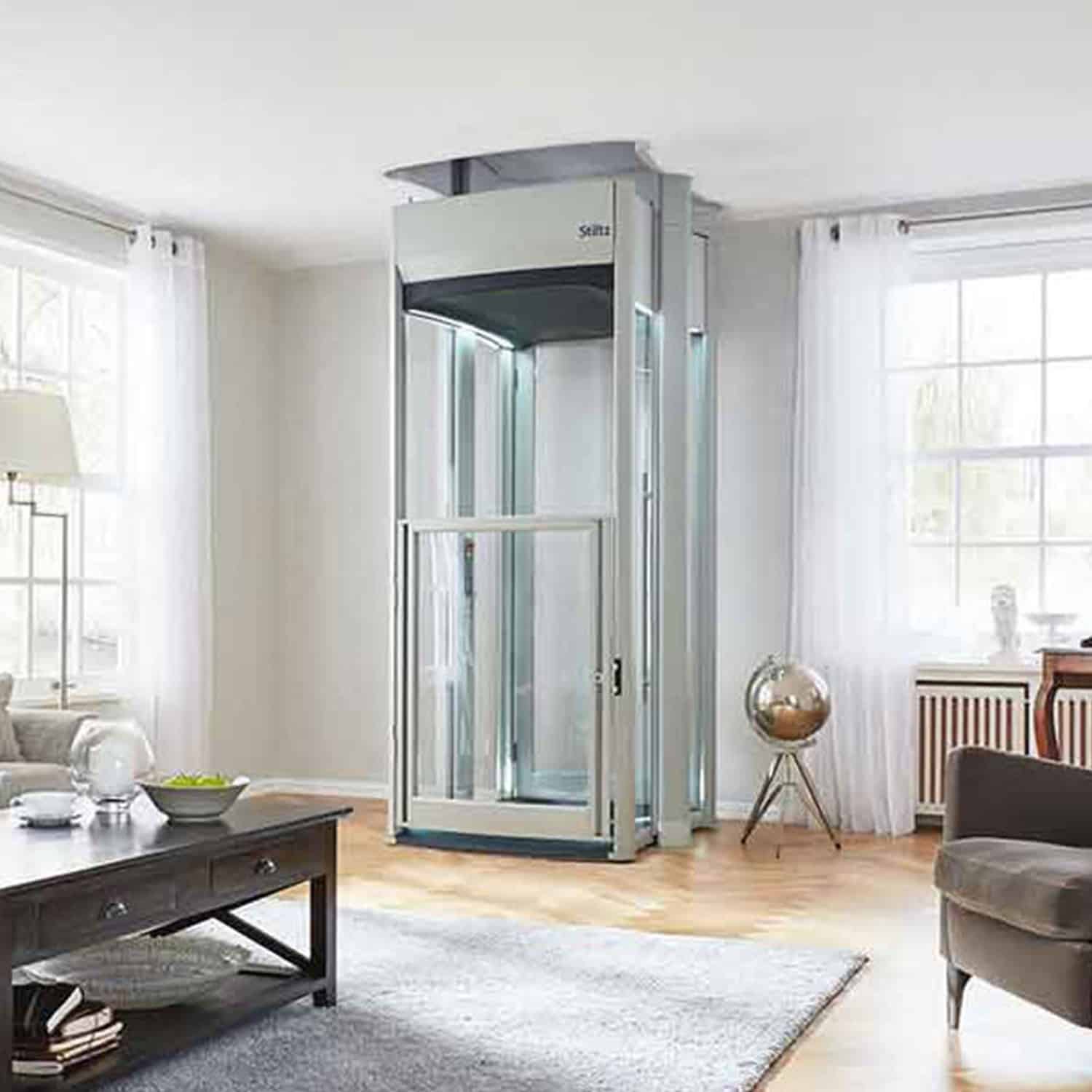
Pneumatic home elevators use air pressure differences to move the cabin within a transparent cylindrical tube. Installation is faster and less disruptive than traditional systems, and these elevators often do not require pits, shafts, auto lifts, or machine rooms, making them ideal for retrofitting.
Some of the advantages include compact size and flexible placement in small areas. Limitations include smaller cabin size compared to hydraulic or traction elevators and higher costs for premium tube designs. Pneumatic elevators are suitable for occasional use but may not be ideal for transporting very heavy loads regularly.
Shaftless or Screw-Driven Elevators
Screw-driven elevators move along a threaded steel rod that rotates to lift and lower the cabin. Installation is simplified because they often do not require a traditional shaft, reducing disruption to the home. These lifts are well-suited for narrow or compact homes.
One benefit is minimal structural modification and low maintenance compared to hydraulic systems. Some drawbacks include slightly slower speeds and less smooth rides than hydraulic or traction elevators. Screw-driven elevators are ideal for homeowners prioritizing space efficiency.
Comparison at a glance:
- Hydraulic: smooth ride, pit required, heavy loads
- Traction: efficient, shaft and overhead space needed
- Pneumatic: compact, minimal construction, retrofit-friendly
- Screw-driven: self-supporting, space-efficient, less invasive
Key Considerations Before Installing A Home Elevator
Planning carefully before installation ensures a smooth process and long-lasting performance.
Space & Layout
Assessing your available floor space, headroom, and potential placement is crucial. Some elevators need pits, while others can fit into closets or stairwells.
Structural & Electrical Requirements
Structural reinforcement may be necessary to support the home elevator’s weight. Walls, floors, and foundations might require modification depending on the type chosen. Reliable electrical connections are essential, and certain models benefit from backup power or battery systems to ensure safety during outages.
Purpose a& Usage
Considering how often the elevator will be used guides the choice of model. Daily use for family members or frequent visitors may require a more durable hydraulic or traction system.
Permits & Compliance
Local building codes, safety regulations, and inspections must be factored in. Permits are typically required, and professional installation helps ensure full compliance.
The Cost Of Installing A Home Elevator
Installing home elevators represents a significant investment, but costs vary depending on design, size, and customization.
- Equipment and Installation: Base prices include the elevator unit and labor for installation.
- Structural Work: Shafts, pits, or reinforcements increase expenses.
- Electrical and Permitting: Wiring, circuit upgrades, and permit fees must be included.
- Aesthetic Features: Glass cabins, premium finishes, and interior design options can add substantially.
- Maintenance Costs: Routine servicing, inspections, and any repairs contribute to the overall cost over time.
Safety Features Every Home Elevator Should Have
Ensuring safety is a top priority when installing home elevators.
- Emergency Stop Mechanism: Allows immediate halting in case of malfunction.
- Interlocks and Sensors: Prevent doors from opening when the cabin is moving.
- Backup Power or Battery: Ensures safe operation during power outages.
- Code Compliance: Elevators must meet local building and safety regulations for residential use.
Maintenance And Service For Home Elevators
Routine maintenance prolongs the life of home elevators and maintains safety.
- Scheduled Inspections: Annual or semi-annual checks identify potential issues before they escalate.
- Mechanical and Electrical Checks: Lubrication, cable tension, and control system updates ensure smooth operation.
- Service Contracts: Many homeowners opt for professional agreements to cover repairs and emergency support.
- Preventive Care: Regular monitoring, cleaning, and minor adjustments reduce long-term costs and downtime.
Proper maintenance not only protects your investment but also ensures the elevator continues to operate reliably for years.
Choosing the Right Company For Your Home Elevator Installation
Selecting an experienced and reputable mobility solutions company guarantees a safe and efficient installation.
- Experience and Reputation: Choose providers with proven residential elevator expertise.
- Certifications and Warranties: Verify that the company offers proper guarantees and compliance with industry standards.
- Site Evaluation and Consultation: A thorough survey ensures the elevator fits your home’s design and structural requirements.
- Transparent Pricing: Clear quotes, timelines, and after-sales support help avoid unexpected costs or delays.
Elevate Your Home With Advanced Mobility Inc.
Installing a home elevator can transform your living space, providing safety, convenience, and added value. Advanced Mobility Inc. specializes in professional home elevator installations tailored to your home’s needs and style. Our team ensures seamless integration, expert setup, and full compliance with safety standards.
Contact Advanced Mobility Inc. today to schedule a consultation and elevate your home with home elevators.