


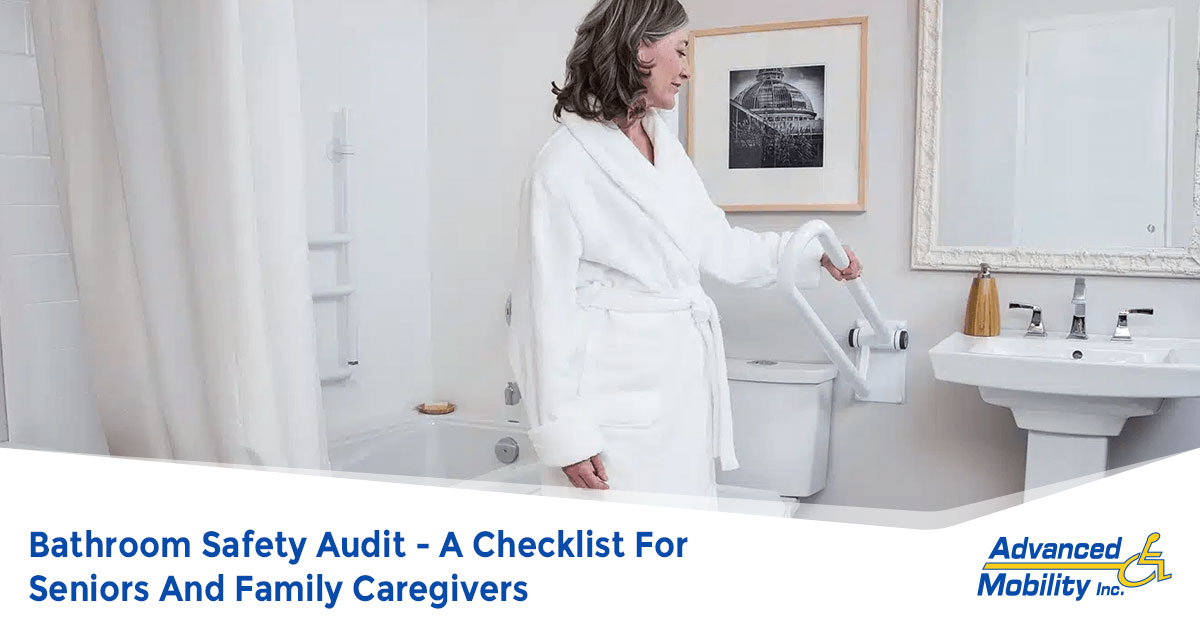
According to the Centers for Disease Control and Prevention (CDC), one out of four people( age 65 and older) falls each year. Studies have also shown that falling once doubles your chances of falling again.
The bathroom is one of the most essential and used rooms in any home, but it is also known to be one of the most dangerous. Slippery surfaces, tight spaces, clutter, and poor lighting all contribute to a higher risk of Falls and injuries. To create a safer and more accessible bathroom environment, these hazards need to be mitigated with the proper bathroom safety solutions.
Why Bathroom Safety Matters For Seniors
As we get older, simple tasks like stepping into a bathtub or reaching for a towel can become risky. The reason for this is that as we age, our balance, strength, and reaction time decline.
Bathrooms are a particularly hazardous room because they have:
- Surfaces that are often wet or slippery.
- Hard and sharp fixtures like tiles, tubs, and sinks.
- They are often small rooms with limited space for Mobility.
- Many bathrooms have poor lighting.
To prevent slips and falls for seniors who are choosing to age at home, the above-mentioned bathroom hazardous issues need to be addressed.

How To Make The Bathroom A Safe Zone
Most restroom hazards can be reduced or even eliminated with the right bathroom safety solutions. By addressing a few issues, seniors and caregivers can have a safe and more accessible bathroom environment.
Issues that need to be addressed may include:
- Slips and falls in the tub or shower.
- Toilet safety.
- Floor layout safety.
- Sink and vanity area safety.
- Door accessibility safety.
- Lighting and visibility.
Slips And Falls In The Tub Or Shower
The shower and bathtub are one of the most common areas for accidents and injuries. Ensuring that the bath and shower are safe areas is a top priority.
Some ways to improve the safety in the shower or tub may include:
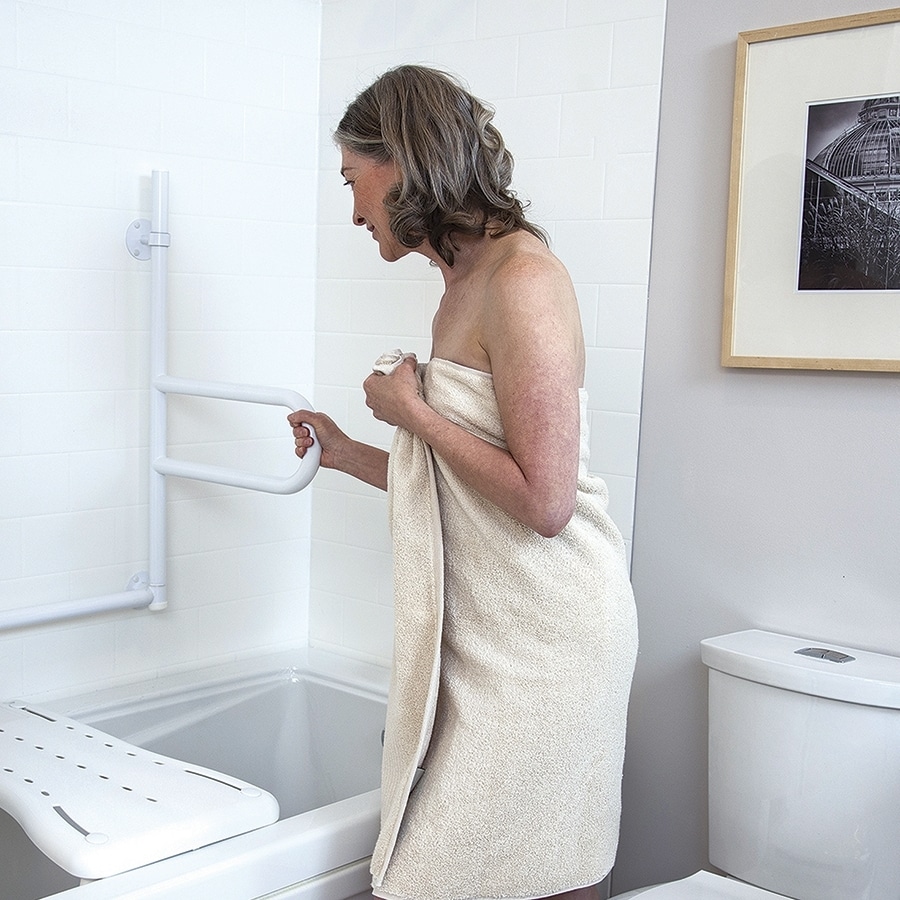
- Installing grab bars – bathroom safety bars are securely mounted grab bars, both inside and outside the tub or shower, providing stability when stepping in or out. Grab bars also enhance stability while bathing or showering. Towel racks are not substitutes for grab bars.
- Non-slip mats or strips – non-slip adhesive strips or bath mats prevent slipping on wet surfaces. These mats/strips can be installed both in the tub or shower, or on the areas directly outside the tub or shower.
- Shower chairs or transfer benches – these are ideal for individuals who have limited mobility and have difficulty getting in or out of the tub, or standing for long periods in the shower.
- Handheld shower heads – these are an essential safety feature, especially when seniors use a bench or shower chair.
Toilet Safety
For individuals with joint pain or limited strength, toilets can be difficult to navigate. To prevent loss of balance while sitting, difficulty when standing up, or any unnecessary strain or stress on knees or hips, safety features may include:
- Raised toilet seats – these reduce the effort that is required to sit and stand.
- Toilet safety frames or grab bars – these provide additional support for those with limited strength or balance.
- Adequate space around the toilet – this ensures that those using walkers or mobility aids can safely access the toilet.
Floor Layout Safety
Clutter and a poor floor layout are major contributors to slips and falls.
Some ways to mitigate these hazards include:
- Removing any loose rugs or bath mats.
- Ensuring that any broken tiles or flooring are immediately repaired.
- Keeping the floors completely free of any unnecessary clutter.
- Ensuring a clear pathway between the various bathroom fixtures.
- Ensuring all electrical cords are not on the floor, as these could be tripping hazards, especially for individuals who use mobility aids like canes or walkers.
Sink And Vanity Area Safety
The sink and vanity area are used multiple times a day. To ensure that seniors can safely access these areas, consider the following safety improvements:
- Ensure that the sink and vanity are at a comfortable and easily accessible height.
- Ensure that all counter-top edges are rounded. This will reduce the injury in the event of a fall.
- Add single lever faucets that are easier for individuals with arthritis or limited hand strength to use.
- Prevent burns by regulating water temperature with anti-scald devices.
- Avoid overreaching or unnecessary bending by keeping frequently used items within arm’s reach.
- Use organizers to reduce clutter. Store essential items at a height between the waist and the shoulder. Avoid high shelves or very low cabinets.
Door Accessibility
Bathroom doors can pose a serious risk in the event of an emergency. A simple adjustment can make a critical difference in an emergency.
Some adjustments that could be made include:
- Outward-opening doors allow caregivers to access the bathroom in case someone falls inside. Outward-opening doors also enhance the space inside the bathroom, making it easier for individuals with mobility devices to move around in the area.
- Double door hinges or easily removable hinges enable emergency access if the door is blocked.
- Accessible locks that can be opened from both inside and outside will ensure that the individual has privacy while bathing, but can easily be reached in the event of an emergency.
Lighting And Visibility
Lighting is essential. Poor lighting will significantly increase the risk of a fall. Seniors often have reduced vision, which makes it more difficult to detect hazards. Good lighting allows individuals to confidently move around while using the bathroom facilities.
A good lighting checklist includes:
- Ensuring that the light is bright and lights up the entire bathroom evenly.
- Installing motion sensor night lights for nighttime visibility.
- Ensuring that the light switches are within easy reach.
General Bathroom Safety Tips
Emergency preparedness in the bathroom can reduce the risk of injury and even save a life. Quick response times are essential to prevent minor incidents from escalating into major emergencies.
Some must-have safety features include:
- Ensuring that individuals have an emergency alert system or a wearable device at all times.
- Always having a phone within reach. A good tip is to put the mobile phone into a waterproof Ziploc bag and have it within reach when in the bathroom.
- Ensuring easy-to-open doors.
- Ensuring clear access for caregivers and emergency personnel.
Bathroom Safety Solutions With Advanced Mobility
When it comes to bathroom safety solutions, the right products and expert guidance make all the difference. At Advanced Mobility, we specialize in providing high-quality safety solutions that are designed to support Independence and provide peace of mind.
Understanding that bathroom safety is not something to be put off, Advanced Mobility technicians are available to make your home safer and more accessible. Whether you’re a senior looking to maintain your independence or a caregiver who wants to create a safer bathroom environment for your loved one, we are here to make your home safer and more accessible.
To learn more about bathroom safety and significantly reduce the risks of falls and injuries in the bathroom, call us at 954-888-9292 today.